

In the futures market, price discovery doesn’t pause when the stock market closes. That’s one of the biggest differences between futures and other asset classes — and also one of the first things new traders often misunderstand.
At CLiK Trading Education, we see this confusion all the time. Beginners draw levels, plan trades, and manage risk, but they’re often doing it without realising which session or chart those levels actually come from.
This guide breaks down:
- What Globex is in futures trading
- What continuous charts really show
- How both shape buy and sell zones
- The most common beginner mistakes — and how to avoid them
What Is Globex in the Futures Market?
CME Globex is the electronic trading system where most major futures contracts trade nearly 24 hours a day. That includes:
- Index futures (S&P 500, Nasdaq, Dow, Russell)
- Commodities
- Rates and other derivatives
For traders, this means:
- Markets open Sunday evening (UK time)
- Trading continues through Asia and Europe
- The US session is part of one continuous auction — not a fresh start
Why Globex matters:
- Overnight trading establishes highs and lows before the US open
- It shows early acceptance or rejection of price
- It often sets the tone for the main session
Globex isn’t “after hours.” In futures, it’s simply part of the same market.
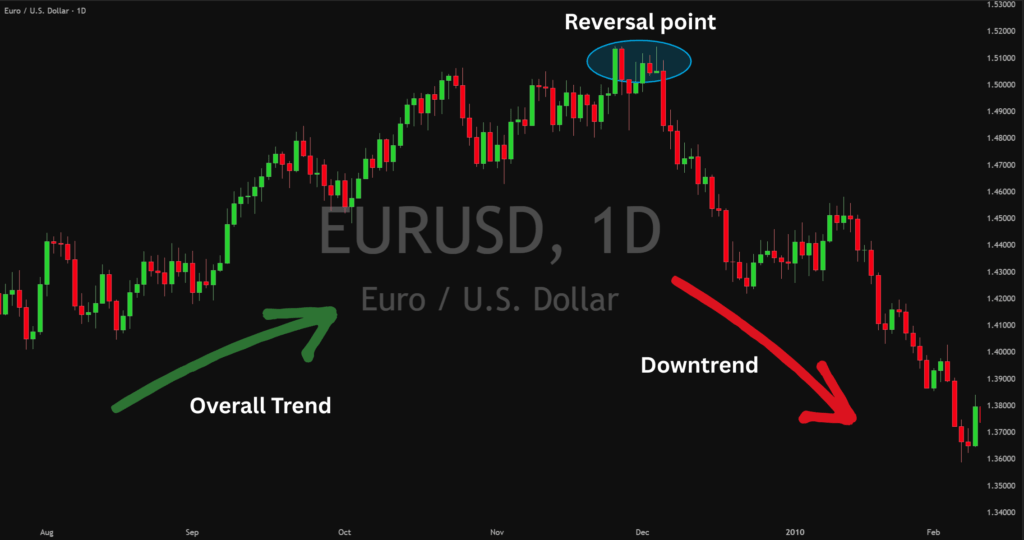
What Is a Continuous Futures Chart?
A continuous chart links individual futures contracts together as they expire and roll forward. Instead of analyzing the March contract, then switching to June, then September, you see one uninterrupted price history.
Why traders use continuous charts:
- They reveal long-term structure
- Highlight major support and resistance
- Show historical acceptance and rejection
But here’s the key distinction:
A continuous chart is for context, not execution. It smooths price to help analysis, but it doesn’t reflect the exact traded price of the current contract at every moment.
How Buy and Sell Zones Form in Futures
Globex-based zones (short-term, tactical)
These typically come from:
- Overnight highs and lows
- Asia and Europe session extremes
- Areas where price stalled or rotated overnight
Why they matter:
- The US session often reacts to them
- Liquidity and stops tend to cluster around them
- They provide clear intraday risk references
These are decision zones.
Continuous-chart zones (longer-term, strategic)
These come from:
- Old highs and lows
- Multi-week balance areas
- Long-term rejection zones
Why they matter:
- Institutions anchor risk here
- They define “cheap” vs “expensive”
- They provide the bigger picture
These are context zones.
Both matter — just not for the same reason.
How We Combine This at CLiK
We keep it simple and repeatable:
Step 1: Start with the continuous chart
- Mark major structural zones
- Identify trend or balance
- Understand where price makes sense to react
Step 2: Analyze the Globex session
- Mark overnight high and low
- Note acceptance or rejection near higher-timeframe zones
- Observe where price sits heading into the US session
Step 3: Execute with structure
- Trade near Globex-defined levels
- Align with higher-timeframe context
- Use overnight levels for risk management
No guessing. No chasing moves. Just location, structure, and risk.
Common Beginner Mistakes
- Treating all levels as equal
- A continuous chart level ≠ a current-session Globex high or low.
- Fix: Know whether your level is context or execution.
- Ignoring the overnight session
- Many assume Globex is thin or irrelevant. Then price reacts perfectly at an overnight level.
- Fix: Always mark the overnight high and low, even if you only trade the US session.
- Expecting precision to the tick
- Continuous charts smooth price. Live markets don’t.
- Fix: Trade zones, not lines. Price reacts to areas, not perfect numbers.
- Trading without higher-timeframe context
- Jumping into short-term charts without knowing the bigger picture leads to random decisions.
- Fix: Higher timeframe first. Execution second.
- Using indicators to fix location problems
- Indicators don’t replace poor structure.
- Fix: Structure first. Tools second.
The CLiK Takeaway
In the futures market:
- Globex shows you where decisions are being made now
- Continuous charts show you why those decisions matter
When you combine both:
- Your zones become clearer
- Your risk improves
- Your confidence grows
It’s not about predicting direction. It’s about trading location with intent. And that’s where consistency begins.
⚠️ Educational content only. Futures trading involves risk and is not suitable for everyone.